The cannabis market has exploded over the past decade, and with it has come an overwhelming array of products — none more popular or more misunderstood than the vape pen. Walk into any dispensary or wellness shop today and you'll find shelves lined with sleek, portable devices promising everything from deep relaxation to creative focus. But there's a critical distinction that many first-time buyers overlook: not all vape pens are the same.
Understanding the difference between a THC vape pen and a CBD vape pen could be the difference between the experience you want and one you didn't sign up for.
What Is a THC Vape Pen?
A THC (tetrahydrocannabinol) thc vape pen CBD
is a battery-powered device that heats a cannabis oil cartridge to produce vapor, which the user then inhales. THC is the primary psychoactive compound in cannabis — it's the molecule responsible for the "high" that recreational users seek and that medical patients use to manage conditions like chronic pain, nausea, and insomnia.
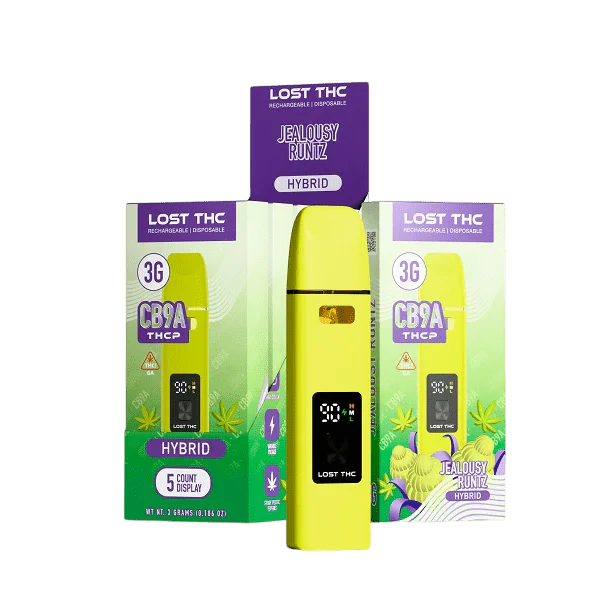
THC vape pens have surged in popularity because they offer a discreet, convenient, and fast-acting alternative to smoking flower. The effects typically kick in within minutes, making dosing more immediate and predictable than edibles. The cartridges come in a wide range of strain profiles — indica, sativa, hybrid — as well as varying potency levels, often measured as a percentage of THC content.
However, THC vape pens are not without controversy or risk. The 2019 EVALI (e-cigarette or vaping product use–associated lung injury) outbreak brought widespread attention to the dangers of unregulated black-market cartridges, many of which contained vitamin E acetate as a cutting agent. Legal, lab-tested products from licensed dispensaries are significantly safer, but the episode underscored the importance of buying from reputable sources.
What Is a CBD Vape Pen?
CBD (cannabidiol) vape pens work on the same basic principle as THC pens — a battery, a heating element, and an oil cartridge — but the substance inside is fundamentally different. CBD is a non-psychoactive cannabinoid, meaning it will not get you high. Instead, it interacts with the body's endocannabinoid system in ways that many users report as calming, anti-inflammatory, and pain-relieving.
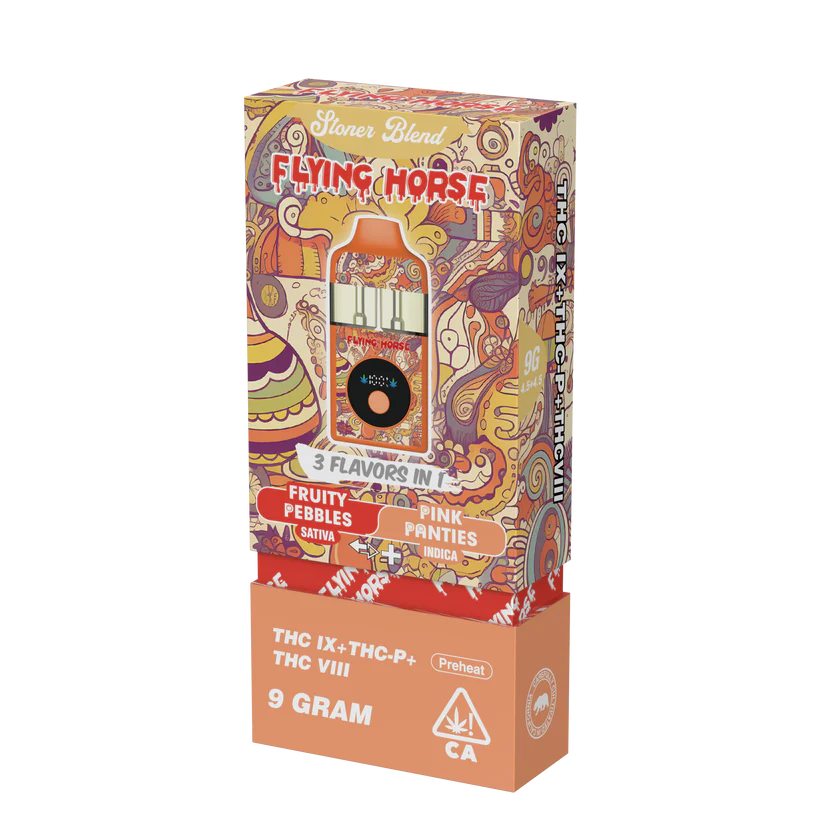
CBD vape pens are widely available online and in health and wellness stores, particularly in the United States where hemp-derived CBD (containing less than 0.3% THC) is federally legal under the 2018 Farm Bill. They are popular among people seeking relief from anxiety, stress, and mild pain without any intoxicating effects — and without the legal complications that come with THC in many states.
Like THC cartridges, the quality of CBD vape products varies enormously. Full-spectrum CBD oils contain trace amounts of THC along with other cannabinoids and terpenes, potentially enhancing what researchers call the "entourage effect." Broad-spectrum products contain multiple cannabinoids but no THC, while CBD isolates are purely CBD. Reading the certificate of analysis (COA) from a third-party lab is essential before purchasing any CBD vape product.
Key Differences at a Glance
The most fundamental difference is psychoactivity. THC gets you high; CBD does not. But the distinctions run deeper than that. THC vape pens are regulated as cannabis products, meaning they're only available through licensed dispensaries in states or countries where recreational or medical cannabis is legal. CBD vape pens, when derived from hemp, occupy a much broader legal territory.
In terms of therapeutic use, both cannabinoids have legitimate applications, but they work best for different conditions. THC tends to be more effective for acute pain, severe nausea, appetite stimulation, and sleep disorders. CBD is often preferred for generalized anxiety, inflammation, milder pain, and everyday stress — particularly by those who need to remain clear-headed throughout the day.
There's also the question of drug testing. THC will trigger a positive result on a standard drug test, and even trace amounts in full-spectrum CBD products can occasionally do the same. If drug testing is a concern in your workplace or profession, this is not a trivial consideration.
Should You Choose THC, CBD, or Both?
The right choice depends entirely on your goals, thc vape pen CBD your health, your legal context, and your personal preferences. Some users deliberately combine THC and CBD, finding that CBD moderates some of the anxiety and paranoia that high-THC products can occasionally produce. This is why many premium cannabis cartridges now come in balanced ratios — 1:1 THC to CBD, for instance — designed to deliver therapeutic benefit with a smoother, more manageable effect.
Whatever you choose, the golden rule is the same: buy from trusted, licensed sources, start with a low dose, and pay attention to how your body responds. Vaping anything carries some degree of respiratory risk, so it's worth weighing the method of consumption against alternatives like oils, tinctures, or capsules — especially for long-term or daily use.
The cannabis landscape is evolving rapidly, and the science is still catching up. Staying informed, reading labels, and consulting a healthcare provider when appropriate will always be your best tools for navigating it safely.